What Type Of Cells Don't Undergo Mitosis . In mitosis, the cells that are created. What types of cells do not go through mitosis? Mitosis Historica Wiki Fandom from historica.fandom.com And is there a more intuitive way to know whether a type of cell undergoes mitosis. What types of cells do not go through mitosis? Terms in this set (27) what type of cells do not undergo mitosis?
Types Of Dimensions In Data Warehouse. Data warehouses, on the other hand, connect with multiple databases and systems, bringing together large volumes of transactional and informational data and making it readily accessible in a centralized location. These dimensions are keys for which there is no other attribute.
SQL Unit Testing Data Warehouse Extracts with tSQLt from www.sqlshack.com
There are various types of dimensions, and a few are discussed below: In this video, i give an overview of different kinds of dimensional tables which are majorly used in a data warehouse.let me know if this video was in. Role playing dimensions, slowly changing dimensions, conformed dimensions, degenerate and junk are some of the types of dimensions that this video speaks about.
A Degenerate Dimension Happens When The Dimension Attribute Is Stored As Part Of A Fact Table, But Not In A Separate Dimension Table.
If you want to find out an analysis between current and historical. The dimensions of a data warehouse, together with their attributes, serve as the guidelines for data analysts to view the information from different angles and apply different filtering criteria. In this video, i give an overview of different kinds of dimensional tables which are majorly used in a data warehouse.let me know if this video was in.
And Each Subject Area Contains A Number Of Tables That Contain The Data.
With this implementation, you can further improve the analytical capabilities in the data warehouse. A conformed dimension is a type of dimension that has the same meaning to all the facts it relates to. They are often created to manage the foreign keys created by rapidly changing dimensions.
Think Of It Just As The Name Suggests:
The different types of dimension tables are explained in detail below.conformed dimension:conformed dimensions mean the exact same thing with every possible fact table to which they are joined. Data into small dimensions can be easily loaded from spreadsheets. By adding a staging area between the sources and the storage repository, you ensure all data loaded into the warehouse is cleansed and in the appropriate format.
Type 6 Slowly Changing Dimensions In Data Warehouse Is A Combination Of Type 2 And Type 3 Scds.
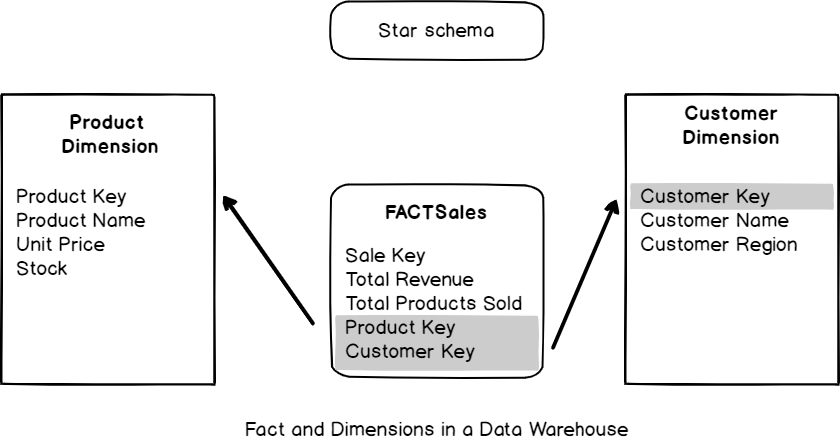
A common data warehouse example involves sales as the measure, with customer and product as dimensions. This type of dimension is not based on structural (type 3) or on value (type 2) changes. This means that type 6 scd has both columns are rows in its implementation.
Databases Are Relational In Nature, With Rows, Columns, And Rules.
The concept of dimensional modelling was developed by ralph kimball and consists of “fact” and “dimension” tables. Role playing dimensions, slowly changing dimensions, conformed dimensions, degenerate and junk are some of the types of dimensions that this video speaks about. A dimensional model is a data structure technique optimized for data warehousing tools.


Comments
Post a Comment